The Deeper Meaning of Our Spiritual Nutrition
Most people think of vitamins, minerals, and meal planning when they hear the word nutrition. Although physical nourishment is important, we frequently overlook the importance of spiritual nutrition. This is the nourishment we give to our inner selves, the invisible aspect of ourselves that affects contentment, joy, clarity, and purpose. The need to nourish the soul is just as important as society’s continued emphasis on fitness and diet as it is on physical health. A balanced life includes fulfillment, spiritual alignment, and a stronger feeling of connectedness to life in addition to nutrients and water.
The Relationship Between Food and Energy Flow
In addition to nutrients, each mouthful of food we eat contains energy. Food gives the body vitality when it is clean, fresh, and carefully prepared. However, that energy gets heavy when meals are eaten carelessly or made with heavily processed foods. This has an impact on mood and mindset in addition to digestion. Understanding how our diet affects our ideas, feelings, and inner vitality is central to spiritual nutrition. Any meal can be made more energizing by eating in a calm setting and with thankfulness. Intentional eating not only nourishes our bodies but also fosters inner peace.
How Emotional Health Influences Physical Cravings
The emotional causes of cravings and unhealthy behaviors are frequently disregarded by people. The brain looks for solace when life seems hectic or meaningless. Many people find solace in fast food, sweets, or overindulging in food. The concept of spiritual hunger enters the picture here. Sometimes the soul feels unfilled even though the body isn’t really hungry. Understanding this difference enables one to make better behavioral and dietary decisions. A more secure and purposeful existence might result from eating habits that are guided by spiritual insight and emotional intelligence. When people pay attention to their hearts as well as their stomachs, real nutrition starts.

Food as a Mirror of Inner Values
A person’s diet might reveal their spiritual journey, values, and beliefs. Some people decide to follow plant-based diets in order to be more compassionate and nonviolent. Others choose to eat locally or organically to maintain a connection to the natural world. These decisions are spiritual manifestations that transcend health. A meal becomes more than just a source of nourishment; it becomes a declaration of one’s identity and values. Daily routines gain dignity and purpose when nutrition is in line with personal ideals. There is less shame, greater satisfaction, and a stronger sense of body-soul alignment when dietary choices and ideals are in harmony.
The Role of Environment in Nourishing the Spirit
The impact of meals is greatly influenced by the location and manner of consumption. The nervous system may rest in a calm and tidy environment, which improves digestion. On the other hand, eating under pressure or in a chaotic environment while navigating through electronics causes tension in the body. Emotional instability and inadequate nutrient absorption are the results of that strain. Stronger awareness, more connection to what is being consumed, and intentional eating are all encouraged in a mindful environment. Extravagance is not necessary to create a hallowed space for meals. A simple meal may become a profoundly satisfying ritual with the help of spotless surfaces, gentle lighting, and presence.
Our Spiritual Nutrition Through Silence and Reflection
There is noise in everything, including our thoughts, online content, and conversations. Silence becomes a hallowed space in the midst of this cacophony. Introspection, introspection, and silence are all integral parts of our spiritual diet. Greater clarity and awareness are made possible by setting aside time each day, even if it is only for a few minutes, to be with oneself and withdraw from outside distractions. People become more conscious of their food habits, emotional triggers, and energy requirements when they are in this state. This inner peace has a great effect on the body. Meals eaten in moderation and during a period of solitude are frequently more fulfilling, fostering a more mindful connection with food.
Ancient Wisdom and Modern Science in Harmony
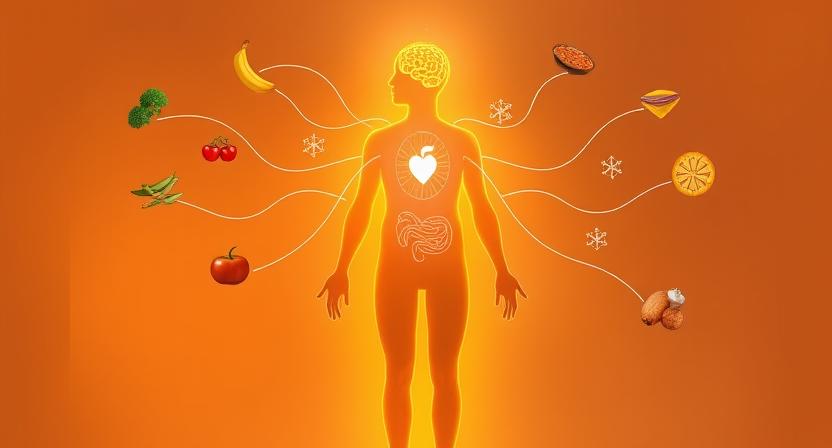
The link between food and the spirit has long been recognized by cultures all over the world. Food is important for emotional and spiritual balance as well as physical healing, according to ancient practices like Ayurveda and Traditional Chinese Medicine. These methods categorize food according to its energy content, temperature, and psychological effects. Measurable elements like protein content, glycemic index, or vitamin levels are frequently the focus of contemporary nutrition science. But combining the two worlds results in a whole image. A comprehensive approach to health is achieved by utilizing the accuracy of contemporary information while acknowledging the wisdom in traditional approaches. This combination upholds the integrity of modern conceptions and practices of nutrition.
The Mind-Gut Connection in Spiritual Health
Many refer to the gut as the second brain. Clarity, mood, and even the capacity to process emotions are all influenced by the microbiota. The notion that mental and spiritual well-being starts in the digestive system is supported by this biological fact. A bad diet can lead to emotional instability, impair judgment, and make people more irritable. Conversely, nutrient-dense meals that contain natural fiber, antioxidants, and healthy fats improve mental clarity and emotional control. Clean eating is a spiritual decision as well as a physical one, as this biological feedback loop explains. A healthy stomach is a direct investment in mental clarity, inner tranquility, and spiritual clarity.
Intentional Eating as a Daily Spiritual Practice
Intentional eating is a straightforward yet effective method of nourishing the body and the spirit. This is a genuine commitment to being present during meals, not perfection or strict discipline. Reactive eating is avoided when people chew deliberately, value flavors, and pay attention to their hunger cues. It turns into a type of meditation that takes place multiple times during the day. These brief, recurring moments of awareness are where our spiritual nourishment thrives. When people view each meal as an act of care rather than duty, they establish a routine that promotes mental and emotional fortitude. This everyday routine gradually changes not only eating patterns but also one’s whole way of life.
Nourishing the Soul in a Distracted World
Distractions abound in modern life. Most individuals eat without really noticing because of their busy schedules and incessant notifications. This diversion affects all facets of wellness. In this day and age, true feeding necessitates work, boundaries, and clarity. Protecting what enters the mind, not just the mouth, is part of spiritual nutrition. The nutritional journey includes deciding what information to take in, what discussions to have, and what ideas to entertain. Setting limits that promote inner serenity is more important than avoiding the outside world. In a world that frequently encourages disorder, creating room for mindful meals, quiet times, and deliberate decisions gives balance.

Final Word
We can achieve long-term wellness by acknowledging that health encompasses not only physical well-being but also profound emotional and spiritual aspects. The body, mind, and soul are all intertwined and not distinct systems. We are reminded by our spiritual nutrition to live intentionally, eat with purpose, and engage with ourselves outside of the plate. With this change, eating becomes a holy relationship rather than a daily chore, with each mouthful serving as a step toward inner harmony.
